Brutus Day - March 15

Brutus Day is a day celebrated on March 15 every year. This day is also called the "Ides of March", the middle day in March. If you're familiar with the play "Julius Caesar" by William Shakespeare, you probably know Brutus and the knife that he stabbed Julius Caesar in the back. Anyone who knows the play knows what a knife in the back is. But even in the modern age there are people who are experts in cheating. Brutus Day is meant to remind us that there are still Brutus everywhere and at all times, who quarrel, betray, disappoint and surprise badly.


The history of Brutus Day

On March 15 (The Ides of March), 44 BC,  the assassination of Julius Caesar took place. The Ides of March (Latin: Idus Martiis) is a phrase that marks the time of calamity.  In the Roman calendar these two words marked the 15th day of the Roman month of March, on which Julius Caesar was assassinated. This day was in ancient Rome the feast day of the god of war Mars and in which a military parade was held in his honor.

Marcus Junius Brutus, or Brutus for short, is considered the most famous traitor in the world, because of the killing of his dear friend Julius Caesar. He was born in 85 BC in Rome and was a great military and political man during his life. Julius Caesar was a Roman dictator whom the people wanted to get rid of because of his tyranny, and the murder was committed by Brutus and Cassius who were members of the Roman Senate. Brutus, one of the leaders of the conspirators against Caesar, was a man who gained much trust and confidence on the part of Julius Caesar, there are speculations that he was even his illegitimate son.


At the time Julius Caesar was assassinated, there was tremendous opposition on the part of the people to the continuation of his tenure. An oracle told the emperor some time before the assassination: "Beware the ideas of March" to warn him of what was about to happen to him.

"You too, Brutus?" Is a famous phrase associated with this event in William Shakespeare's play "Julius Caesar." This phrase in Latin, the language of the original play is "Et tu, Brute?" Said by Julius Caesar, the Roman dictator a second after he was assassinated by Brutus and Cassius, and it expresses the astonishment and deep sense of betrayal that Caesar felt in the face of the fact that Brutus was among his murderers.

Brutus Day reminds each of us that we must be aware that there are intrigues, conspiracies and stabs in the back even today as they were in ancient Rome no matter where we are, so we need to be careful. We are aware that it exists mostly in politics, but it is not just there. It can also be in our workplace or school, even among our friends and family. Everywhere there is a Brutus.

How to celebrate Brutus Day?

The way to celebrate Brutus Day is pretty simple. Today is the time to listen to our instincts and identify the people who we should stay away from them and not share anything with them, because there is a suspicion that they are treacherous. Make sure you do not gossip with them, because there is a high chance that it will reach the wrong ears, that you do not reveal to them secrets that might hurt you if others knew them and do not tell them anything at all, because they may use it to their advantage and do not care if it hurt you. It is today to learn the lesson without getting hurt, before it is too late. You can share your thoughts about this day on social media using the hashtag #BrutusDay with the quote "You too, Brutus?"


Source


Science Education Day - March 14

March 14 is Science Education Day, and it is also the birthday of Albert Einstein who was born on March 14, 1879.
Coincidentally, this is also the day of the death of the physicist scientist Prof. Stephen Hawking, on March 14, 2018.
On this day, the education system and government institutions pay special attention to the subject of science in general and the advancement of science in studies. On this day, the winners of the Young Scientists Competition in different countries are also announced.


In honor of Albert Einstein's birthday, here are some interesting facts about him:

When he was a child, Albert Einstein spoke very slowly and had learning difficulties.

Einstein's great breakthroughs came from visual experiments he performed in his head rather than in a laboratory.
The pathologist who performed the post-mortem on Albert Einstein's body stole his brain and kept it in a jar for 20 years.
The money Einstein received when he won the Nobel Prize went to his ex-wife as part of the divorce settlement.


In 1952, David Ben-Gurion, the then Prime Minister of Israel, proposed that Einstein become the second President of the State of Israel. He politely declined because he wanted to dedicate his life to science.
Einstein's favorite scientist was Galileo Galilei.
Einstein was not an atheist as many think, because atheists in his opinion deny the existence of God while he does not deny, because even his non-existence cannot be proved, but prefers not to believe in what cannot be proved, namely an agnostic.
Einstein failed the university entrance exam, and had to re-enroll the following year.
Einstein never won the Nobel Prize for his famous theory of relativity. It won because of the photoelectric effect.
Einstein was famous for his poor memory. He would not remember names, dates and phone numbers.
Einstein had an illegitimate daughter born in 1902.
What do Einstein, Darwin, Alan Poe and Saddam Hussein have in common? The answer - they all married their first-degree cousins.
The Austrian physicist Friedrich Hasnoehrl published the basic equation E = mc2 a year before Einstein did so.

Einstein's eyes are kept in a safe in New York.

Yoda, from Star Wars, was designed according to the look of Albert Einstein.

Albert Einstein was an avid cyclist. He did not have his own car and he never learned to drive.

Albert Einstein did not like to wear socks.

Albert Einstein died on April 18, 1955 as a result of internal bleeding following rupture of an aortic aneurysm, at the age of 76.


Potato Chips Day- March 14

The Potato chip snack day, or potato chips day, is a day celebrated on March 14 in honor of the salty and delicious snack.
The story behind the invention of the snack is funny: One day in 1853 Cornelius Vanderbilt, an American tycoon, arrived at the Moon Lake Lodge restaurant in Saratoga Springs, New York, and asked for potatoes. The restaurant's chef, George Cram, served him crisp potatoes but Vanderbilt complained that they were not crunchy enough, too thick and useless. Chef Kram took the potatoes back to the kitchen, sprinkled them and salted them and served them again to Vanderbilt. But the tycoon was no longer satisfied. So again and again the potatoes returned to the kitchen and spread and salted until they were very thin and salty. Vanderbilt was actually pleased with the final result, and after more customers were enthusiastic about the thin, salty potato slices, they decided to add the dish to the restaurant menu and called it "potato chips". Since Karam was a native African, he could not register his invention as a patent in his name in the United States at the time.
Another version says the snack was invented after Kram's sister sliced ​​a too thin potato and the slice fell into hot oil. Kram loved the result and decided to make it a serving in the restaurant.
In the 1920s, potato chips began to be marketed in the shops after entrepreneur Hermann Leigh invented a potato-making device. At first they marketed the snack in tin cans, and in 1926, Laura Skoder invented the sealed bag by adding two wax papers, and after the cellophane was invented, the potato chip began to be marketed in sealed bags, and the snack became popular and began to be produced in large quantities.


How to celebrate the day of the potato chips?
Buy a bag of potato chips, eat it with salsa sauce, tomato sauce, garlic sauce or nothing and enjoy.


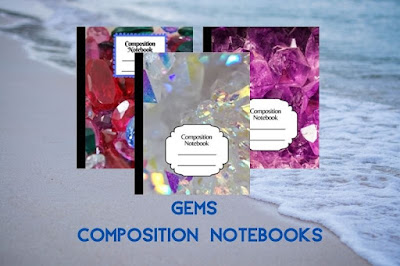
Jewel Day- March 13

"Diamonds are the girl's best friends." This sentence that Marilyn Monroe said in the movie "Gentlemen Prefer Blondes" in 1953 is etched in our memory forever.
But besides diamonds there are lots of other types of gemstones. There are more than 130 types of minerals in nature from which gemstones are processed.
There are also gemstones that are synthetically produced in a laboratory using crystalline growth technology.
From the dawn of history, humans have been drawn to the beautiful and rare stones, processed them and made jewelry out of them.
There are mystics who believe that gems have different virtues and properties and that one can call a person their future through them or treat problems and diseases. Some believe that precious stones give a person who holds them powers or protects him.
A birthstone is a nickname for a gemstone that symbolizes the month of birth in the Gregorian calendar. It is customary to give as a birthday gift the birthday stone inlaid with jewelry. This custom is mostly accepted in the US, Australia and Thailand and more countries that sell birthstones in jewelry stores.

Birthstones by Month:

January- Garnet 
Identified with the garnet stone, one of the breastplate stones.
Recognized as the stone of commitment - strengthens commitment and adherence to a specific goal. Symbolizes strength and perseverance.
Historical background - In ancient Egypt it was believed to be a symbol of life. In the Middle Ages it was used as a medicine to treat diseases. Because of its reddish color it was believed that it heals bleeding and stimulates the blood circulation in the body. In India and Persia the garnet was considered an amulet worn by warriors against poisoning, plagues and lightning strikes.
Another belief is that the portrait of a lion carved in garnet stone will preserve the health of the wearer and protect him from road accidents.
According to the theory of crystals, garnet is effective in curing poisoning, depression and hypothyroidism. It raises awareness of emotional intentions and releases sexual inhibitions. Also effective in treating back and neck pain.
Mining locations: South Africa, Australia, Brazil, Sri Lanka, North America, Czech Republic, Madagascar, India, Australia.


February - Amethyst
One of the stones of the breastplate. 
The name Amethyst comes from the Greek word Amethyst - "not intoxicate". Greek warriors used to drink amethyst-covered wine before the battle, believing that this substance would prevent them from getting drunk. Pliny the Younger, who lived in the second century AD in Greece, claimed that the root of the name in Greek is derived from the oval color of the stone, which is similar to the color of the wine.
In ancient Egypt, soldiers would take amethyst stones with them to the battlefield to save them from death.
In the Christian church, Hasmoneans wore the amethyst stone, which symbolizes purity and divine understanding. To this day the amethyst is embedded in their traditional clothing.
The English royal house has a place of honor for the amethyst stone. Edward the Confessor was the first king of England to wear it during his reign in the 11th century. Royal Princess Charlotte wore a necklace of amethyst stones.
Catherine the Great, Empress of Russia in the 18th century, wore an amethyst necklace "shining in the night like a red flame" received from the Ural Mountains.
The amethyst was the beloved stone of St. Valentine. His ring was inlaid with amethyst and engraved with a portrait of Cupid.
According to the theory of crystals, amethyst balances the energy centers of man and increases spiritual understanding. According to the Indian belief, it can also help open the third eye, the eye of the soul.
In ancient times it was believed in its ability to facilitate withdrawal from various addictions like alcohol and sweets. It was also believed that it could strengthen the wisdom and faith of the stone-wearers.
Other medicinal properties: relief of insomnia and headaches, protection against infectious diseases and bad thoughts.
Mining place: In ancient times - India and Saudi Arabia.
Nowadays - Brazil, Uruguay, United States, Madagascar, India, Russia.


March - Aquamarine
The origin of the name (Aquamarine) is in the Latin word "sea water", and is derived from the blue-green color of the stone.

Healing properties and properties attributed to aquamarine-
In ancient times it was believed that the aquamarine is a symbol of hope and promise for a better future, eternal love and heroism. In the Middle Ages it was believed that stone helped in foresight and in treating eye problems. Its color made it a symbol of happiness and youth, and it even served as an amulet against accidents. Aquamarine was also known as the "Stone of Eternal Life", and was therefore considered a stone that brings good luck to its owner. In the Middle Ages the stone was called a "magical sight", and fortune tellers used it to predict the future.
The jewelry of the English royal house is inlaid with a large aquamarine stone in the crown of "St. Edward", the crown of the coronation of the kings of England.
The crown of "St. Edward", which is the official coronation crown of the kings of England, set with 444 gems and diamonds, is also set with a large aquamarine stone. The crown is included among the treasures of the jewelry of the kings of England.
One of the places where the aquamarine is mined is Russia, and the stone was especially fond of Empress Catherine the Great, Queen of Russia in the 18th century.
Napoleon Bonaparte was clothed in a cloak in which the aquamarine stones were inlaid in the buckle at his coronation in 1804.
Mining locations: Brazil, Russia, Madagascar, USA, Afghanistan, Zambia.


April - Diamond
Diamond is the hardest material in nature.
In English the word Diamond comes from the Greek word adámas, which means "submissive". Here, too, the word implies the hardness of the stone.
In the millennium BC, Indian Prince Dravidian wore diamonds that he believed would help him live forever.
The kings of Europe in different periods used to insert the diamond in the crown out of the belief that whoever wears a diamond is affected by its power.
King Louis XIII, who reigned in France in the 17th century, enacted a law that allowed only kings to carry diamonds.
The diamond has a high refractive index, excellent transparency, has a very high thermal conductivity property, has a low diffusion coefficient, the diamond is chemically inert, does not conduct electricity and therefore insulates excellently, shines in ultraviolet light.
The color of the diamond is transparent, yellow, brown, pink, green, blue or red.
In Italian the diamond is called "Amenta-de-Dio", which means "the mistress of God". This may be why a diamond is the favorite stone for a wedding ring.
To this day it is believed that a diamond given as a gift to a woman arouses her love and melts her heart, thus restoring a strained relationship. A common custom is a marriage proposal with a diamond ring as a gift.
Mining locations:
The oldest known diamond mines were in India, about 3,000 years ago. India was the only source of diamonds for a long time until they came to Europe. They were collected from banks of rivers or tributaries disrupted in the Golkunda area.
When Marco Polo returned in the 13th century from his journey to China, he first brought diamonds to the West.
In the 17th century a wealthy French merchant named Tavernier returned from his travels to the East and brought back to Europe good quality diamonds from the city of Hyderabad.
In 1725 diamonds were discovered in Brazil in the province of Minas Gerais. Between 1844 and 1871, diamonds were produced intensively in Brazil, until no more diamonds remained in the area. The diamonds were found on the banks and in river channels.
At the end of the 19th century, diamonds were discovered in South Africa. Diamond seekers from all over the world came to the area. De Beers was established and took over diamond mining in South Africa and other parts of the world. It was during this period that modern mining began. It was discovered that the diamonds do not come from the rivers but from the depths of the earth. The diamonds are in the chimneys of a material called kimberlite and diamond seekers began digging in the ground to find chimneys of this material.
In 1954, diamonds were first discovered in Russia in the Yakutia territories, in the Kimberlite chimneys. When the Soviet Union disintegrated, the Russian state-owned diamond company Alrosa was established in Russia, which now controls the mining, sales and marketing of diamonds.
In 1983 a diamond mine was first operated in Australia. This mine is also unique in that it produces a lot of naturally brown and pink diamonds.
In 1991, a diamond mine was first discovered in northern Canada. The mine opened for operation in 1999. Diamonds were later discovered in more places and more mines opened.
Diamond mining sites today are mainly Botswana, South Africa, Canada, Russia, Australia, Namibia, Angola, the Democratic Republic of Congo, Ghana, Sierra Leone and other countries on the African continent.
May - Emerald
The origin of the name is from the word "market" in Sanskrit which means green. In Akkadian the stone was called Barraqtu. In Greek the stone was given the name Emeraldus (green gemstone) from Greek its name was rolled into emerald, until its name was changed in English to emerald.

The properties of emerald: Emerald is considered a stone that brings about physical, emotional and spiritual balance. It relieves stress, helps in times of change in seeing new directions. It purifies negative energies and helps treat vision, breathing and back problems.
According to Indian belief, emerald brings with it abundance, serenity, well-being and good luck.
Emerald is one of the precious stones in nature.
In ancient Egypt, emeralds were found in the belongings of the embalmed dead.
The emerald originates from Egypt, from which it came to India and Europe.
Emerald deposits have also been discovered in South America. The Aztecs believed that the emerald stone was sacred.
In Greek mythology to the magical wisdom Hermes Trismagistus (who was actually the incarnation of the Egyptian god Thut), he enacted magic laws on an emerald tablet called the "Emerald Table".
Some believe that the holy cup from which Jesus drank at the Last Supper was made of emerald.
Mining locations: Zambia, Colombia, Brazil, Russia.
June - Pearl
The pearl is an extraordinary gemstone because its origin is from the animal, i.e. a biological and not a mineral source. The pearl is formed inside an oyster in which a shellfish from the oyster department lives.
The pearl is made of an organic material formed from the secretions of mollusks as a result of a stimulus that penetrates the oyster. These secretions are stacked on top of each other in layers and over time form a ball that is shiny and spectacular in its beauty.
The pearl oysters are coated on their inner side with a material called nacre, called "mother of pearl", or pearl oysters. Citrus is a substance that is secreted repeatedly to protect the pearl from the intrusion of foreign bodies.
Because the pearl is made mainly of carbonated calcium, it is dissolved in acid - vinegar, wine and even orange juice.
Natural pearls are expensive and rare. Placing them from the sea is dangerous and nowadays they are formed less and less due to environmental and climatic changes. That is why today many cultivate cultured pearls, pearls that are grown in captive oysters and artificially stimulated. These pearls are rounder and smaller than natural pearls and therefore cheaper.
Ego Bay in Japan was among the first areas in the world where pearl farming began.
Artificial pearls are glass or plastic beads made in factories. Imitation pearls were made of glass coated with fish scales dust during the Renaissance and were called Majorca pearls.
The qualities attributed to Pnina are vitality, beauty, innocence, wisdom and integrity. Pearls are credited with healing properties of the digestive and immune systems and aiding in stress.
King Henry VIII of England used pearl powder to heal the open wound in his leg.
The pearl has been the favorite gemstone of kings and nobility for many years. In ancient times the extraction of pearls in the sea was difficult and was done by divers. Only nobles and kings could afford to wear pearls and so they symbolized wealth and nobility.
In the days of the Roman emperor Julius Caesar, only women of the nobility wore pearls.
In 2008, archeological excavations in Jerusalem found a gold earring set with a pearl and emerald from the Roman period.
During the Renaissance it was customary to weave pearls as an ornament in women's hair. According to Marco Polo, the kings of Malbar wore a necklace with 108 rubies and 108 pearls inherited between generations of kings. In Japan, pearl powder was used as makeup for geishas.
The Pearl in Mythology: In the past it was believed that pearls were the tears of angels over the sins of man that sank into the depths of the sea.
The Qur'an describes paradise as a place where the fruits of the trees are pearls and emeralds and everyone who enters its gates receives a pearl tent.
In Indian mythology it is said that the god Vishnu gave her the first pearl from the depths of the ocean and gave it to his daughter Pandaya on her wedding day.
Production locations:
It is now common to use cultured pearls whose main center of production is China, Japan, Tahiti and Australia.


July - Ruby
The name Ruby originates from the Latin word rubrum which means "red".
The properties and virtues attributed to the Ruby-
From ancient times the people believed that Ruby had magical powers. It is considered a source of health, wealth and wisdom. In the Middle Ages, ruby ​​was used as a medicine. In Eastern countries warriors would insert the ruby ​​into cuts in the skin because they believed that the stone would flow courage and resourcefulness into their blood. In India it was believed that the color of the stone radiated heat and if they put it in water it would make them boil. The ruby ​​was a symbol of wealth and power among the rulers of the past.
Ruby is a rare gem. The chemical composition is similar to that of sapphire, but is much rarer than it.
Wherever Ruby miners have a slightly different chemical composition. For example, a ruby ​​mined in Sri Lanka has a color that tends to be pink. Ruby mined in Thailand has a purple or brown hue due to iron residue. One of the main places to this day for ruby ​​mining is Minamer, where ruby ​​mining has been done for thousands of years. In the distant past, the King of Burma (Myanmar) enacted a law according to which if a ruby ​​stone is larger than 6 carats, it must be transferred to its owner immediately. Therefore, when the miners would find a particularly large ruby ​​stone, they would immediately break it into small stones and sell them.
In 2006, an 8.62-carat ruby ​​stone was auctioned off at Christie's auction house to London jeweler Lawrence Graff, who paid $ 3.6 million for it.
Mining sites - The rare ruby ​​stone is mined in a limited number of countries: Myanmar (Burma), Thailand, Sri Lanka, India, Pakistan and Australia.


August - Peridot
The origin of the name Peridona is probably from the Arabic word "Faridat" which means "gem", or from the Greek word "peridona" which means "to give wealth".
Another name for the peridot stone is chrysolite. A Greek word meaning "golden stone", a name that indicates the golden yellow luster of the stone. The stone is also sometimes known as Olivine, which is the main chemical component in the stone.

The virtues attributed to the peridot stone are exorcism, reducing thirst in serious diseases and bringing joy because of its cheerful green color. Stone has the ability to heal and bring vitality to the whole body. It increases patience, confidence and assertiveness. It reduces stress, stimulates thought and brings emotional balance. The peridot is also beneficial for healing a damaged heart and a damaged ego and clears the way to the heart.
The uniqueness of the peridot is that it appears in only one color - green. The same green color does not change even under the influence of artificial light.
The peridot stone is difficult to polish because of weaknesses in the crystal that cause it to disintegrate into fragments.
The history of the peridot - Already in ancient Egypt, inlaid jewelry was found in the peridot, in the second millennium BC.
The Peridot Stone came to Europe by Crusaders returning from their travels. These stones were mistakenly considered emeralds. The peridot stones were also embedded in the church treasures.
Mining locations: Arizona, Australia, Afghanistan, Brazil, Myanmar, China and Pakistan.


September - Sapphire
Origin of the name - There is a version that says that the origin of the name is in the Greek word Spiros which means "blue stone". Another version is that the name comes from Sanskrit - from the word "sniper" which means "the one who is sacred to the planet Saturn".
The good quality blue sapphire is a rare and very expensive stone and therefore has many imitations. Substitutes for sapphire stone are blue natural gems like blue spinel, blue tourmaline, tanzanite, aolyte and even glass.
Healing properties and virtues attributed to the sapphire stone - healing properties for wounds, for removing foreign and harmful bodies from the human body, anti-toxic substance. The gemstone of the soul, a blue color reminiscent of the color of the sky, represents the purity of the soul, captures divine sympathy, makes peace between enemies, repels envy.
Among kings the sapphire stone occupies a place of honor and is often embedded in the crowns of kings, wands and luxury jewelry.
Mining locations:
Australia, Myanmar, Brazil, Tanzania and other African countries.


October - Opal
Origin of the name - from the Greek word opallios which means "color change", because of the unique feature of the reflection of the colors of the rainbow.

Healing properties and properties attributed to opal
Hope, faith and good luck. Changes the luck of the one who wears it for good, a belief that stems from the changing colors of the stone.
historical background
Already in the times of Greece and ancient Rome there was evidence of the Dark Stone. In England the Dark Stone was popular in the time of Queen Elizabeth I.
The Darkness is mentioned in Shakespeare's play "The 12th Night."
In 1829 a story was published by Sir Walter Scott about the Dark Stone that linked to the Stone of Bad Luck. As a result, the value of the stone dropped by more than 50%.
The production of dark stones was common in Hungary. In 1877 large opal deposits were discovered in southern Australia that overshadowed Hungarian production. The Australian opal has gained much publicity thanks to an opal stone known as The Flame Queen - a black opal stone weighing 253 carats.
There were times when it was believed that the dark brings bad luck. This may be due to the delicacy and fragility of the stone. The darkness cracks quickly, is sensitive to changes in temperature, abrasion and harsh chemicals. In ancient Rome it was believed that stone brought good luck because it could be seen as the reflection of the rainbow symbolizing hope.
Mining locations - Australia, Czechoslovakia, Hungary, Mexico, USA.

November - Yellow Topaz, Citrine
Origin of the name - According to one hypothesis, the origin of the name Topaz is from the word in Sanskrit tapas which means fire, which is reminiscent of the color of the stone. Another hypothesis is that the name comes from the name of the island of Topazius in the Red Sea, where rare gems were found. The word topazius means "to search" and the island was covered in fog and it was difficult to find it.
Healing properties and properties attributed to Topaz-
Eliminating sadness, giving courage, calming strong desires, strengthening love, wisdom, eliminating evil forces and healing many diseases.
The multiplicity of beliefs and healing properties attributed to Topaz proves the great importance they attached to stone.
When the topaz stone is polished, it is very similar in color to citrine. When the citrine is well polished, it is difficult for an unskilled person to distinguish between them. However, in a gemological laboratory the stones can be easily distinguished because topaz has a specific gravity 40% higher than the specific class of citrine.
Famous Topaz Stone-
One of the most famous topazes is a stone that was considered a diamond for years and was even named after it: Braganza Diamond. This topaz was part of the jewelry of the royal house of Portugal.
Mining locations - Brazil, Mexico, California, Texas, Sri Lanka, Nigeria, Russia, Burma, Russia as well as, in various countries in Africa.


December - Turquoise, Tanzanite, Blue Zircon, Blue Topaz
Origin of the name - the turquoise stone came to Europe from Persia via Turkey. The Europeans mistakenly thought that the turquoise originated in Turkey and therefore called the stone 'Turkish'.
Healing properties and properties attributed to turquoise-
In ancient Persia it was believed that the blue stone helps to overcome the "evil eye". The Persians used to weave turquoise stones in the mane or tail of horses and camels, in order to protect them. In Europe it was customary to give turquoise-studded rings as a "memorial" gift. It was further believed that stone has a property that prevents injuries and bone fractures.
Mining sites - The turquoise stone is easy to mine and is located in arteries close to the surface. Turquoise is found mainly in arid areas and deserts. Mining regions in the world today: Iran, United States: Texas, New Mexico, Colorado, Arizona, California, Tibet and China.
historical background-
The turquoise stone is the oldest known gemstone in the world. Turquoise stones have been found in archeological excavations from the Neolithic period - about 8,000 years before our time. Turquoise can be found in various cultures from ancient Egypt, through Persia (modern-day Iran) to South America.
Jewelry inlaid with turquoise stones was found in the tombs of the pharaohs in Egypt. The turquoise stone was found in the rocks in the Sinai Desert and ancient Egypt had mines there about 6000 years ago. The ancient Egyptians also used to crush the turquoise into powder, which they used as eye makeup.
In Aztec culture, which ruled Mexico in the 15th and 16th centuries, religious objects of worship were decorated with turquoise stones.
In Europe there was a flourishing and great demand for turquoise-studded jewelry in the early 19th century, with the opening of the Suez Canal and the success of the play 'Cleopatra' which brought the turquoise stones into fashion.


All this is just a small part of the gems that exist in the world. There are lots more with so many shades, shapes, virtues and features of gems. Between them there is sure to be a stone that suits you.

How to celebrate Jewel Day?
Buy yourself a piece of jewelry with your favorite gemstone.
Make handmade jewelry.
Take advantage of this day to take care of your jewelry.
Learn about the different gems, their place in different history and cultures.

Plant a Flower Day - March 12

 One of the most beautiful and fascinating things on earth is the flower. There are more than 400,000 species of flowers in the world, all without exception beautiful! Have you ever seen a flower is not beautiful?

Flowers have such a rich variety of colors and shapes, from the simple daisy that grows in the fields and along the roadsides to the elegant rose that symbolizes to many people love in its many facets. There are the colorful wildflowers that dot dots of fields and forests and there are cultivated and domesticated flowers that are beautifully arranged in rows in the gardens and courtyards. The flowers add so much beauty to the world - they are simply a gift of nature for all of us!


The history Plant a Flower day

The flowers have been around for at least 150 million years. From the dawn of history they have been a major component in various cultures all over the world and have also served other purposes besides decoration, such as medical use.

As early as 2,500 BC the ancient Egyptians used flowers to decorate large tables and halls, to pay homage to the living and the dead. In the tombs of the pharaohs, high priests and other wealthy citizens many remains of flowers were exposed.

In ancient Greece and Rome flowers were also used for the same purposes, and in some they were also used as medicinal plants.


Flowers are used as herbs to this day, through herbal teas, medicines and spices.

Butterfly pea flower tea known as "blue tea" is an infusion of the petals of the butterfly pea plant that originates in the tropical region of East Asia. The plant flowers are also used as herbs in Ayurveda. What is interesting about this tea, which has become popular over the years, is that the liquid changes color depending on the level of acidity (PH) of the substances added to it - its hue turns from blue to purple to burgundy the more acidic it is.

Chamomile tea is known for its calming effect on the body, and its help in preventing inflammation and disease, pain and digestive problems. This ancient drink has been known for thousands of years.

Throughout history, flowers have carried different symbolic meanings, among different peoples, religions and mythologies. In Hinduism, the oldest religion in the world, the lotus flower is considered an important spiritual symbol. Roses have been seen for many years as a show of love and affection and poppies are used to commemorate soldiers who died in the war.

The flowers were and are also an integral part of our traditions and ceremonies. Can you imagine ceremonies and holidays without bouquets on the table?

The flowers have also inspired many poets and painters in countless works of art such as Van Gogh's sunflowers, Monet's water lilies and so many more.

Flowers even have an impact on the economy. In the 17th century in the Netherlands in a period known as the 'Tulip Mania', tulips were considered so valuable that they were worth more than gold. People would take out loans just to buy tulip tubers and when tulip prices dropped sharply, this led to an economic crisis. The concept of the tulip craze is considered the first economic bubble and economists and capital market people sometimes use the term "tulipmania" as an example of an economic bubble.

The saffron, which is the expensive in spices, is made from dried crocus flowers.

Flowers also have a very great ecological importance. With their bright colors and magical scents, they not only illuminate the world around us but also attract and maintain pollinators like bees, butterflies and birds. They entice them with sweet nectar and hand out their precious powder in return. And once reproduced, flowers bear a sweet fruit that animals and humans can enjoy.

Important tips for planting flowers

Never underestimate your garden planting flowers. Always research when and where it is best to plant the flowers you want. Each type of flower has its own needs and preferences. Find out what type of soil they need, how often they need irrigation and how much light they need to flower and survive. When flowers wither, remove them and keep the stems pruned.


In general, flowers need soil with good drainage. Wildflowers, on the other hand, bloom best in poor quality soil.

Some flowers need to keep their tubers in a cool, dark place to simulate winter and plant them only when it is cold outside.

If you are a novice gardener, the flowers that are right for you to plant are geraniums, sunflowers, daffodils and lavender. The Tropaeolum majus (garden nasturtium, Indian cress, or monks cress) is a sure recipe for beautiful orange flowers in your garden. All it takes is to scatter their seeds and do nothing - just wait until spring for their blooms. 

It is always advisable to look for perennials as these types of flowers will last for at least two years. And even if you do not have a garden, you can always buy flower pots and grow flowers at home.

How to celebrate Plant a Flower Day?

The best way to celebrate Plant a Flower Day is to plant a flower, or even some flowers. Take some time today to plant flowers that are appropriate for the season and the environment you are in. You can also hook up with neighbors and plant flowers in public areas to add color spots to places that look gray.

If you have children, this is the perfect day to take them out and explain to them about this magic of nature. What helps plants grow, why we need them and what we can do to help protect our earth's biodiversity. Incorporating a sense of wonder into the world in your children will help them appreciate the planet and make them more aware of their environment. In addition - what is better than quality time with the children outdoors, in the pleasant air outside the screens?


Want to get inspired to grow flowers? Join Facebook groups that deal with gardening. There are lots of people out there who will be happy to help you with anything you will need to plant flowers so that they will grow in the best way and admire the flowers that will bloom in your garden or pots. Also on YouTube you will find available flower arranging courses to help you get started.

The flowers add color to life. If you are feeling depressed, try to add this pleasant beauty and scent to your life. It sure will do you good.


March 12 is also Mauritius Independence Day

Mauritius Independence Day - March 12

On March 12, Mauritius, an island nation in the southwestern Indian Ocean belonging to African countries, celebrates its independence from Britain in 1968.
Mauritius flag
Here are some interesting fun facts about Mauritius:

Mauritius is home to about 1.2 million people and its capital city is Port Louis, home to about 150,000 residents.


Mauritius is a country with a democratic regime and its official language is English. Other languages ​​spoken by the residents: French and Creole.

Mauritius today is a stable and prosperous country in terms of tourism.

The national animal: legendary extinct Dodo.

The area of ​​Mauritius is 2,040 square kilometers, and it has a coastline about 150 km long, all of which are stunning white sandy beaches.

Mauritius has picturesque towns and villages, ancient military ruins and spectacular waterfalls.

The island of Mauritius is a volcanic island. It was formed by volcanic activity more than 8 million years ago.

The highest mountain on the island is the "peak of the Little Black River", the piton de la petite riviere noire, and is 828 meters high.

Mauritius is the most densely populated country on the African continent and also one of the most prosperous and rich countries on the continent.


Things to do in Mauritius 
Visit the Caudan Waterfront, the main shopping and entertainment center in Port Louis (link).
Visit the Post Museum, where you can see the famous "Blue Mauritius" stamp, which is the first stamp printed in Mauritius in 1847. The stamp shows Queen Victoria on a blue background.
Visit the "Seven Coloured Earths" in the village of Chamarel, a place where there are sand dunes in seven different colors: red, brown, purple, green, blue and yellow. It is an attraction that attracts many tourists, located in the Chamarel Plain, River Noir district, southwest of Mauritius.
(Link)
Visit the La Moran Peninsula southwest of Mauritius and watch the breathtaking scenery. Climb the basalt cliff Le Morne Brabant. The cliff rises to a height of 556 meters. Between the 17th and early 19th centuries there were escaped slaves found on the island and on a hiding cliff on the caves in the secluded and inaccessible mountain.
Go to the Pamplemousses Botanical Garden: Explore the tropical gardens, see the giant water lilies and pet the giant turtles.


Swim with dolphins in Tamarin Bay.
Visit the fishing village of Cap Malheureux in the north of the island.
Visit Hindu temples: Hinduism is the main religion on the island with almost half of the population of Mauritius belonging to this religion.
And sleep in a stunning turquoise seafront hotel (Link)


March 12 is also Plant a Flower Day

All rights reserved Ⓒ

The use of this website's content is for personal only. Do not copy and distribute in any other media. Use of the contents of this website without permission for purposes that have not been approved will result in legal actions.